Bed covers serve as both a protective layer and a decorative element that reflects personal style while maintaining textile integrity. In this category, materials range from cotton blends to hypoallergenic fabrics, with attention to thread count, weave, and finish. Understanding fabric behavior helps users select items that balance softness, durability, and breathability for varied climates and seasonal needs. Keywords: bedding, protectors, organic mattresses.
Common features to assess include fabric weight, care requirements, and edge finish. Many bed covers offer wrinkle resistance, fade resistance, and easy-care cleaning, which support long-term usability. For allergy-conscious households, natural fibers and anti-microbial finishes may reduce irritants and improve overall sleep comfort. Keywords: bedding, organic mattresses, protectors.
Functional benefits of bed covers extend beyond aesthetics. They provide a shield against staining, minimize daily wear on underlying sheets, and help regulate microclimate by wicking moisture or retaining warmth. Some designs incorporate quilting or quilting-backed layers to enhance insulation while preserving a lightweight feel. Keywords: bedding, pillows, bed covers.
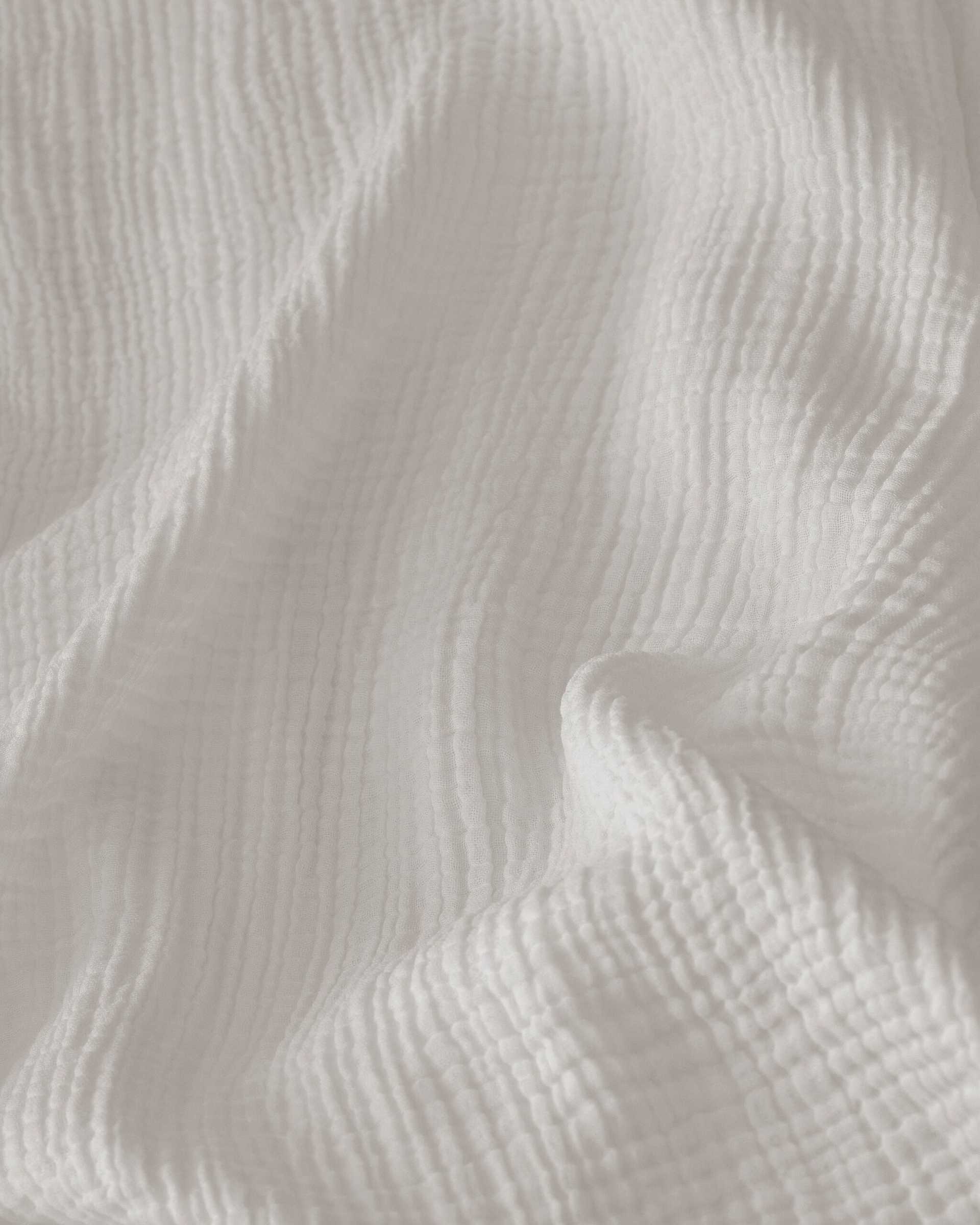
Within this category, notable items include multi-layer options that pair a durable outer shell with a soft inner layer for cozy versatility. Innovations such as breathable cotton, brushed microfiber, and sateen weaves offer different textures and drape, supporting diverse sleep preferences and room styles. Keywords: bedding, protectors, adjustable beds.
To support informed choices, it is helpful to compare features like fiber origin, treatment for color fastness, and compatibility with other sleep essentials such as protectors and pillow cases. Considering care cycles and lifespan empowers readers to align bed cover selections with long-term comfort and room aesthetics. Keywords: bedding, organic mattresses, protectors.
 Bedding