A Practical Guide to Sleep-Friendly Bedroom Design with Vispring and Naturepedic Materials
An editorial exploration of how thoughtful layout, lighting, and layering of high-quality materials from Vispring and Naturepedic cultivate a sleep-supportive environment. This guide draws on enduring design principles, sleep science, and coastal-inspired aesthetics to help readers craft bedrooms that support deeper rest.
The bedroom is more than a place to sleep; it is a sanctuary where circadian rhythms are honored, body warmth is moderated, and the senses are calmed. In contemporary interior spaces, the intersection of science and craft yields environments that nurture sleep without sacrificing beauty or function. This guide centers on the thoughtful integration of two revered brands—Vispring, known for its luxury, hand-touched mattresses and carefully chosen materials, and Naturepedic, celebrated for organic, health-conscious foundations and foundations that respect both people and the planet. While the brands themselves are not the sole focus, their materials and design philosophies illuminate a practical path toward a sleep-first bedroom.
The Newport-inspired approach to sleep-friendly design, as described here, blends coastal calm with proven sleep science. It invites readers to consider how a room’s orientation, light management, humidity, temperature, and surface textures converge to influence restorative rest. The aim is not to chase trends, but to cultivate a durable, adaptable space that supports a wide range of sleep needs and lifestyles.
Foundations: Choosing a Mattress and Core Materials
A good night’s sleep begins with the right surface. Vispring mattresses are renowned for their traditional hand-tufted craftsmanship and the use of natural materials such as cashmere, horsetail, horsehair, and wool. The philosophy behind Vispring is to create a surface that conforms to the body with subtle tension and breathable allowances. This aligns with evidence from sleep science that supports gradual, zoned pressure relief and stable spinal alignment. Naturepedic, by contrast, emphasizes organic, non-toxic foundations that minimize chemical exposure and promote breathability. Their materials—organic cotton, wool, and latex in some lines—are designed to reduce off-gassing and regulate temperature, contributing to a more consistent sleep environment.
When integrating these brands into a bedroom plan, consider the mattress as the bed’s central axis. The mattress should harmonize with the bed frame, headboard design, and the room’s overall humidity and temperature. A Vispring mattress can serve as a luxurious core while a Naturepedic foundation or accompanying topper can augment comfort and regulate climate. The key is to select materials that work together to maintain comfort across a range of sleep positions, from back sleepers seeking spinal neutrality to side sleepers requiring targeted shoulder and hip cushioning.
Layering for Comfort: Beyond the Mattress
Layering is an art of temperature regulation, motion isolation, and tactile richness. Start with a breathable, protective layer: a mattress protector that guards against allergens, moisture, and dust mites without compressing the surface. Choose protectors with a cotton or cotton-blend shell and a permeable membrane that maintains airflow. A well-chosen protector becomes the first line of defense against humidity fluctuations, which, in coastal climates, can be pronounced.
Next, layer atop the foundation with a mattress pad or topper that enhances comfort without sacrificing the surface’s breathability. A Vispring mattress can be paired with a light, responsive topper that adds a touch of loft while preserving the integrity of the body-conforming surface. If using Naturepedic’s materials, select a topper that complements their organic construction—ideally something with a modest loft that responds to movement without creating heat buildup.
Finally, adorn with textiles—sheets, blankets, and pillows—that manage moisture and temperature while contributing to the room’s tactile tapestry. Choose fabrics with natural thermal properties, such as long-staple cotton percale for cooling nights or lightweight wool blends for cooler seasons. The goal is to create a quilted or layered comfort system that remains breathable, quiet, and nonirritating to skin.
Coastal Aesthetics: Newport-Inspired Calm with Functional Purpose
The coastal vibe associated with Newport—soft blues, sandy neutrals, and sun-bleached timber tones—provides a serene backdrop for sleep health. This palette works well when used with restraint: limit the number of dominant colors, favor natural wood tones, and allow ample negative space to reduce visual noise. In practice, this translates to a neutral wall field with accents drawn from the sea and shore: a muted sea-glass blue on one wall, a warm sand tone for the flooring or rug, and white or off-white for the ceiling and trim.
The materials themselves become the coastal language. Velvet or sateen pillows in pale blue hues can echo the water’s surface, while linen textiles offer breathability that supports temperature regulation. Wood accents—whether a bed frame or a nightstand—should be chosen for their quiet elegance and structural honesty. A modern Craftsman-inspired bed, made from solid wood with an eco-friendly finish, can anchor a room with gravity and warmth, while ensuring that the space remains adaptable to various sleep needs over time.
Color, Light, and Temperature: The Sleep Trio
Light is a master regulator of circadian rhythms. The Newport Bedroom, when designed for sleep health, emphasizes controlled light exposure. The day’s brightness should be allowed to flow in during the morning and early afternoon, while evening lighting should be dimmed and warm-toned to cue the body for rest. Consider blackout solutions that align with the bed’s design—cellular blackout curtains or blackout roller shades can achieve a theater-like darkness without weighty, visually heavy drapery that dominates the room.
Temperature is the second pillar. Bedrooms that hover in a comfortable range—roughly 60-67 degrees Fahrenheit (15-19 C) during sleep—t support deeper sleep by keeping metabolic processes balanced. The materials from Vispring and Naturepedic can aid in this effort: breathable natural fibers wick moisture and allow air to pass through, reducing microclimates that cause night sweats or chilly awakenings.
The final element, color, should soothe rather than stimulate. Low-saturation blues and greens with warm neutrals create a tranquil atmosphere that supports rest without overpowering the senses. A well-chosen rug can introduce texture and warmth underfoot, while a minimal, well-spaced arrangement of furniture maintains a sense of openness that fosters metabolism-friendly comfort.
Practical Room Layouts: Space, Flow, and Sleep
Layout decisions influence sleep quality by shaping how the body transitions in and out of bed. Avoid placing the bed directly in line with the door; instead, position it so that you can see the room’s entry without being in direct visual alignment with it. Ensure there is ample space to move around the bed and access storage without friction. In small rooms, consider a platform bed or a low-footboard design—these silhouettes reduce visual mass and create a sense of airiness that complements a calming sleep environment.
When working with high-quality materials from Vispring and Naturepedic, it’s wise to design the surrounding furniture to echo the bed’s material honesty. A solid wood headboard with a simple, clean profile can serve as a tactile and visual anchor. Nightstands in the same wood family reinforce a cohesive aesthetic while keeping surfaces uncluttered to minimize sleep-disruptive dust and stimuli.
Product-Centric Considerations: How to Integrate the Right Pieces
In this guide, the emphasis is on practical, sleep-forward choices rather than product promotion. However, recognizing the quality of certain pieces enhances the reader’s ability to make informed decisions about their sleep environment. For instance, a sturdy bed frame crafted in Vermont with an eco-friendly finish resonates with the ethos of durability and environmental responsibility. While the Newport Bedroom context centers on health and design, it remains respectful to the craftsperson who creates each piece.
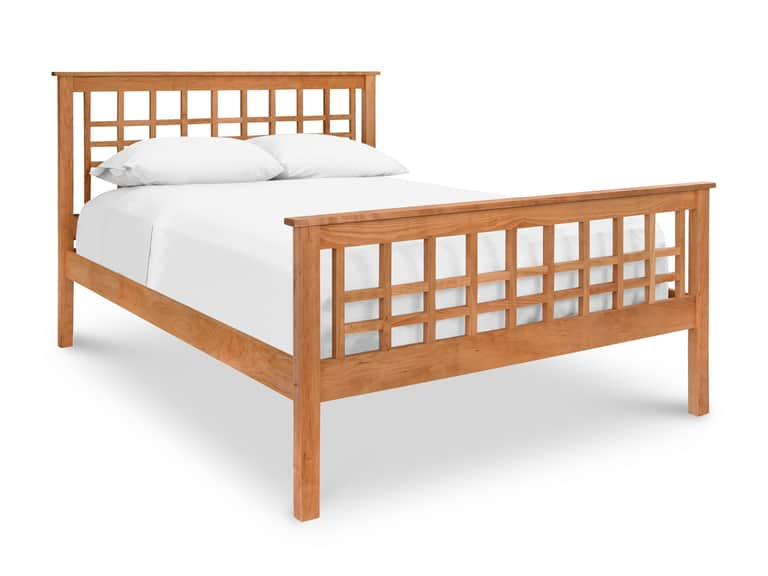
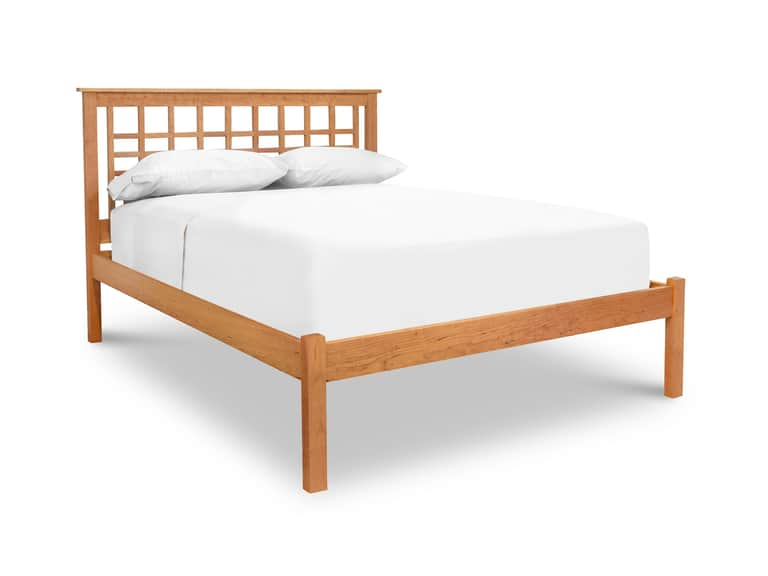
Among the available pieces in related lines, consider a modern craftsman low footboard bed built from solid Cherry, Maple, or Walnut, with an environmentally conscious finish. Its enduring construction and minimal footprint offer a refined foundation for a mattress that supports long-term comfort. For readers seeking a similar aesthetic with a more substantial presence, a high footboard alternative can provide a stronger focal point while still aligning with clean, coastal-inspired design.
Maintaining Sleep Health Through Routine and Environment
A sleep-friendly room is not a static design; it evolves with routines, seasons, and health needs. Establish a simple nightly routine that signals the body to relax. Dim lights, perhaps with amber-tinted bulbs or smart lighting that slowly lowers intensity, can help transition to a sleep-ready state. Temperature adjustments, a pre-sleep wind-down period, and a consistent wake time on weekdays and weekends alike reinforce circadian stability.
The materials—Vispring’s natural, breathable cores and Naturepedic’s organic foundations—are allies in this practice. They respond to daily living by maintaining comfort, managing moisture, and supporting long-term health goals. This approach aligns with evidence-based sleep guidance: a calm environment paired with consistent routines yields deeper, more restorative sleep.
Glossary: Sleep-Health Terms in a Coastal Context
- Circadian rhythm: The natural, internal process that regulates the sleep-wake cycle over roughly 24 hours.
- Moisture management: The ability of textiles and surfaces to wick away moisture and promote airflow, reducing heat buildup and humidity.
- Adaptive support: The way a mattress or topper conforms to body contours while still allowing movement and airflow.
- Breathability: The capacity of materials to permit air passage, contributing to temperature regulation and comfort.
- Zero-V gravity positioning: A posture engineered by adjustable bed frameworks to reduce strain and promote relaxation, often found in advanced bed systems.
A Compact Reading List for Deeper Understanding
For readers seeking deeper immersion, consider sources on sleep science, interior design for wellness, and sustainable materials. Look for peer-reviewed research on circadian lighting, mattress and pillow ergonomics, and the benefits of natural materials for indoor air quality. Additionally, explore design literature that emphasizes minimalism, texture, and color psychology in sleep spaces. The aim is to cultivate a well-rounded, evidence-informed practice of creating sleep-friendly environments.
Brand-Integrated Notes: Material Qualities and Ethical Craft
Vispring’s hallmark of traditional craftsmanship invites an appreciation for the way natural materials respond to body heat and movement. The textures, loft, and resilience of these materials are not merely luxurious— they also influence sleep comfort patterns in meaningful ways. Naturepedic materials emphasize organic integrity, safety for sensitive individuals, and commitment to sustainability. When designing a Newport-inspired sleep space, pairing these brands with a thoughtful color palette and balanced textures can yield a room that feels both serene and scientifically sound.
In practice, this means choosing a bed setup with an honest core aesthetic: visible grain, hand-finished surfaces, and a design that communicates durability. The surrounding textiles should be breathable, comfortable to the touch, and free from irritants. The overall effect is a bedroom that remains timeless while promoting nightly rest.
Case Reflection: A Hypothetical Newport Bedroom Setup
Imagine a bedroom with a Vispring mattress or Naturepedic foundation as its core, resting on a Vermont-crafted bed frame with a warm oil finish. The room uses a palette inspired by the coast: soft slate blues, pale sands, and gentle whites. A low-profile bed creates an open, uncluttered space. Subtle lighting—warm LED fixtures, a small table lamp with a linen shade, and indirect light from behind a headboard—gives depth without glare. A single, well-placed rug provides warmth underfoot, while a selection of breathable textiles invites comfort from the moment one enters the room until the light returns with dawn.
This thoughtful arrangement supports a sleep-friendly environment by addressing key variables: temperature stability, moisture management, and tactile harmony. It is a design that remains practical for daily life while elevating the experience of rest to a level of mindful appreciation.
Conclusion: Sleep as a Coastal Practice
The Newport-inspired sleep space is a meditation on balance: a room where science and craft converge to support restful nights and energized days. By prioritizing high-quality materials from Vispring and Naturepedic, aligning layout with circadian-friendly lighting, and embracing a restrained coastal aesthetic, readers can craft bedrooms that honor both health and home. This practical guide is a stepping-stone toward a durable, sleep-forward interior that endures across seasons and life changes.
Related Products (Selected)
Modern Craftsman Low Footboard Bed
Solid Vermont craftsmanship in Cherry, Maple, or Walnut with eco-friendly finish.
A sturdy, timeless foundation that grounds a sleep space with natural warmth and a restrained silhouette.
Origin: Vermont, USA
Modern Craftsman High Footboard Bed
Solid-wood construction with an expansive profile for a grounded presence.
A versatile option for rooms seeking a statement that remains warm and inviting.
Origin: Vermont, USA